Where the inquiry becomes inseparable from the people around it
Mentorship, volunteer work, and creative practice aren't additions to the research — they're how the questions deepen and stay honest.



Questions that come back and reshape the work
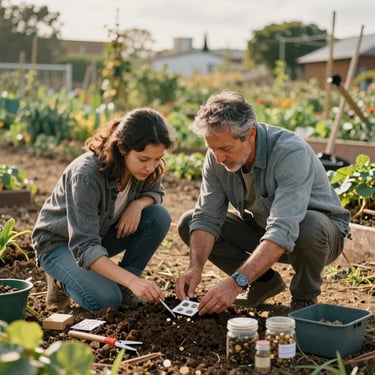
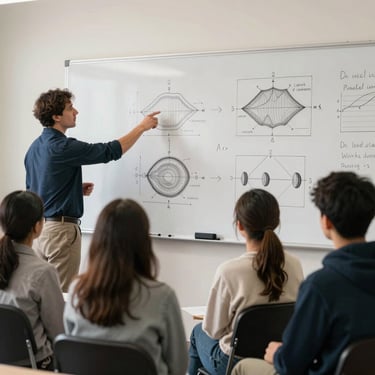
Students and community members don't just receive the research — their questions redirect it. Mentorship is a two-way instrument, as rigorous as any field method.
Working one-on-one and in small groups, across secondary school through postgraduate level, in settings that range from classrooms to community gardens.
Embedded in place, not visiting it
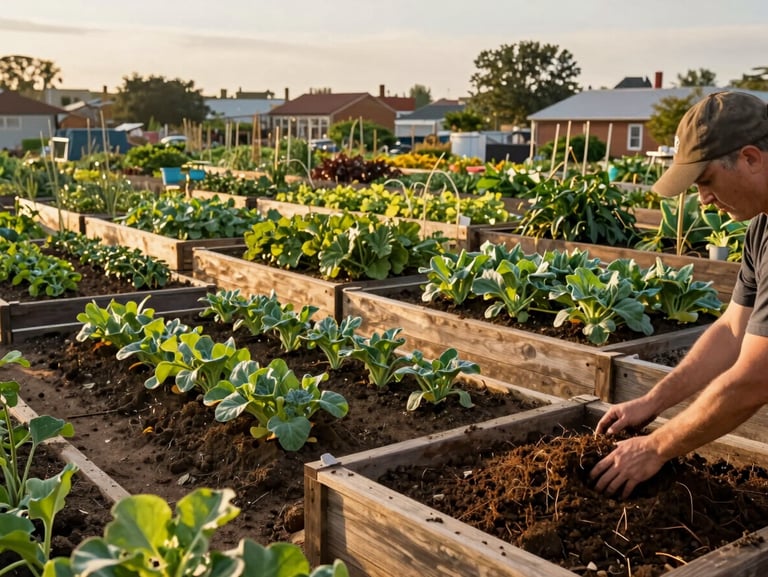
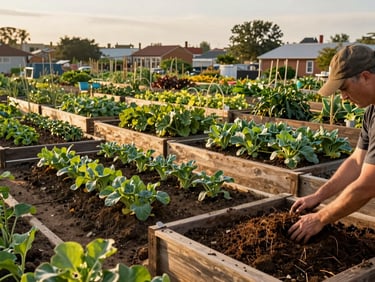
Urban food garden programs connecting soil science and planetary ecology to the immediate reality of growing food in constrained city environments.
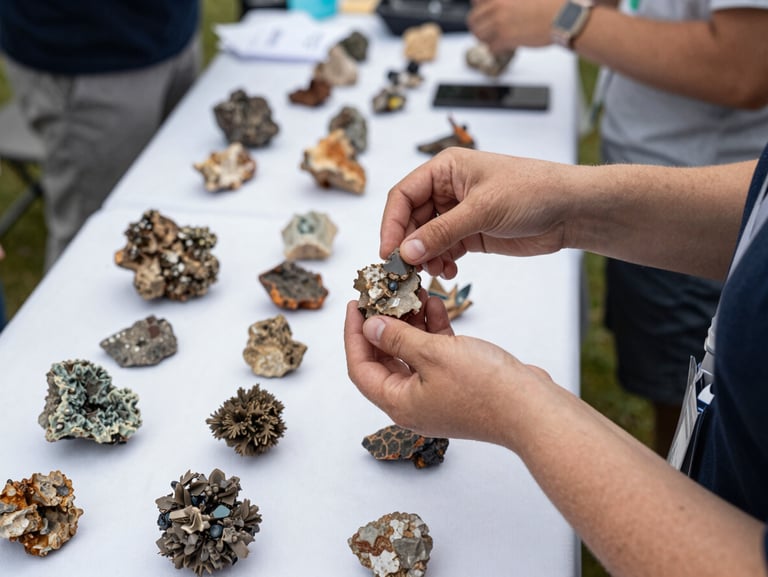
Community science evenings and school outreach programs that treat scientific literacy as a shared resource — built with local organisations, sustained over years.
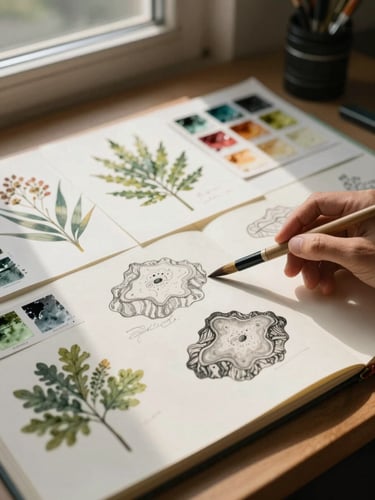
Visual thinking as a method, not a break from it
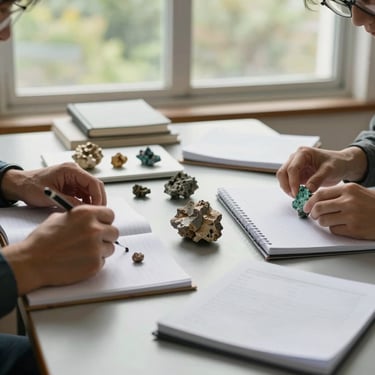
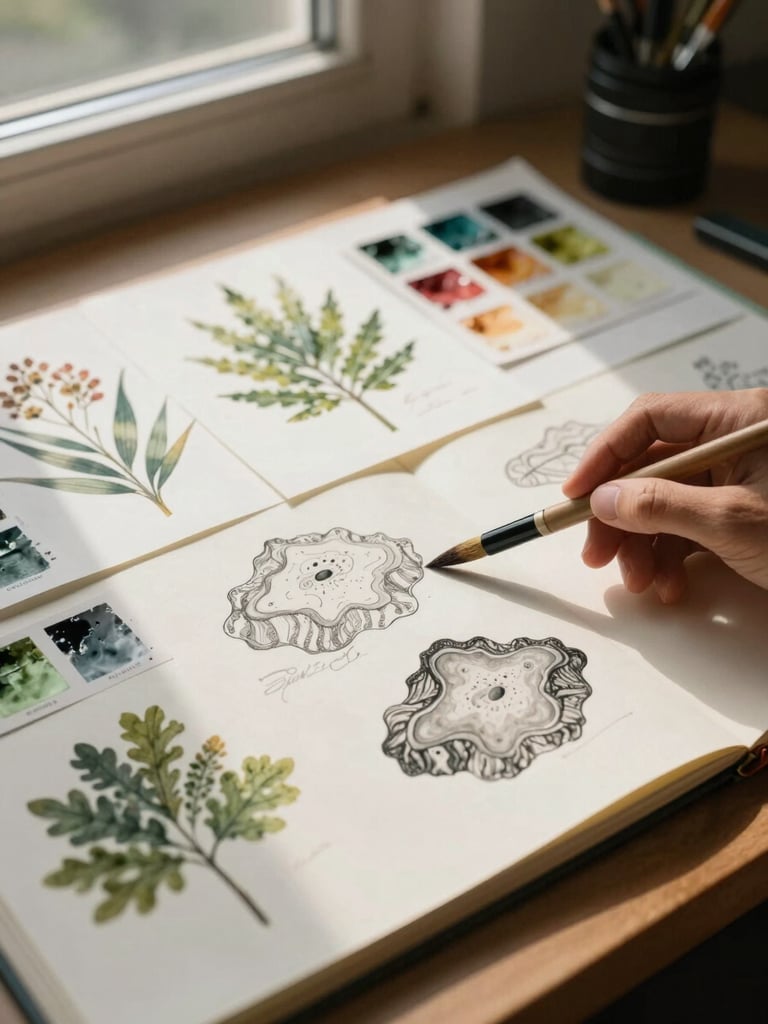
Studio work — material exploration, visual mapping, drawing from specimens — is how the structural logic of a problem becomes legible. It keeps the science from closing too early.
Creative output is shown, shared, and discussed in the same conversations as the fieldwork. There is no separate channel for it.