
Two domains. One persistent question.
Astrobiology and Earth–planetary science, pursued together because the conditions that make life possible on this planet are the same lens through which we examine everywhere else.
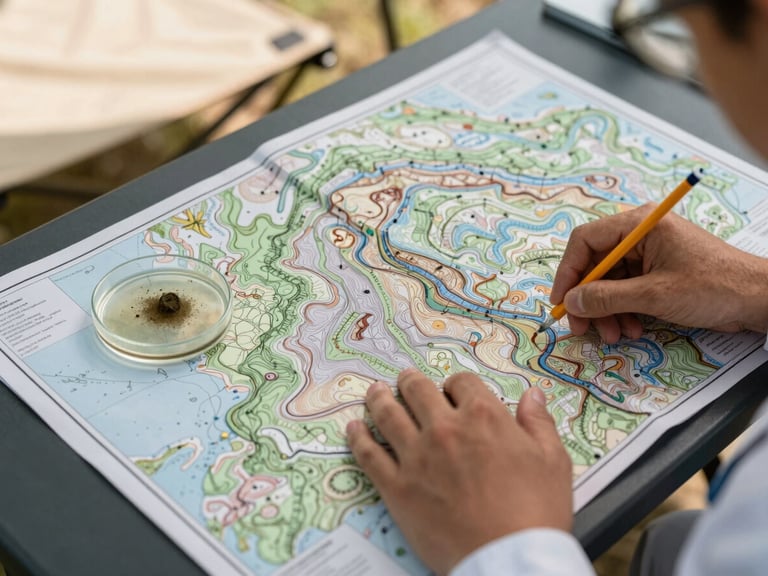
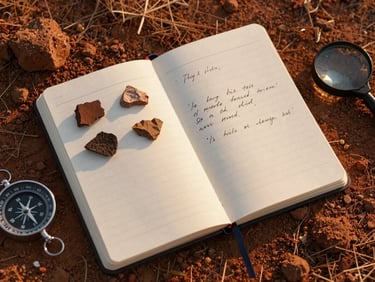
Each domain earns its own methods
Earth & Planetary Science
Astrobiology
Comparative planetology rooted in surface processes, mineralogy, and the deep-time record — methods that hold up to peer scrutiny while remaining free to follow the evidence.
Field-grounded inquiry into the chemical and environmental signatures that distinguish living systems — and what analogue environments on Earth tell us about planetary habitability elsewhere.
What does life require — and where else might those conditions exist?
Independent of any institution, the work remains peer-engaged and evidence-bound — rigorous enough to stand beside institutional science, free enough to go where the question leads.
Go deeper into either domain
Each portfolio carries the full record — field methods, published thinking, and the open questions still driving the work.